- Sonia
- Shah
Journalist and Author
Sonia Shah is a journalist, Guggenheim fellow, and author of critically acclaimed and prize-winning books on science, health, and humanity’s place in the world. Her sixth book, The Imaginary Wall: How We Lost Our Kinship with Animals, winner of a 2023 Whiting Grant for Creative Nonfiction, is forthcoming from Bloomsbury in February 2027.
Bloomsbury 2020
⭐️Finalist for the 2021 PEN/E.O Wilson Literary Science Writing Award
⭐️Selected as a best nonfiction book of 2020 -Publishers Weekly
⭐️Selected as a best science book of 2020 -Amazon.com
⭐️Selected as a best science and technology book of 2020 -Library Journal
“Engrossing.”-The New Yorker
“Fascinating.” -The Guardian
“Dazzlingly original.” -Naomi Klein
An exploration of our centuries-long assumptions about human and animal migration through science, history, and reportage.
Sarah Crichton Books/Farrar, Straus & Giroux, 2016
⭐️New York Times Book Review Editor’s Choice
⭐️Finalist for the 2017 Los Angeles Times Book Prize in science
⭐️Finalist for the New York Public Library’s Helen Bernstein Book Award for Excellence in Journalism
⭐️Finalist for National Association of Science Writers’ Science in Society Award
“Superbly written.” -The Economist
“Bracingly intelligent.” -Nature
“Provocative.” -New York Times
“Lively, rigorously researched and highly informative.” -Wall Street Journal
“Absorbing, complex, and ominous.” -Publishers Weekly
A wide-ranging inquiry into the origins of pandemics.
Sarah Crichton Books/Farrar, Straus & Giroux, 2010
⭐️Long-listed for the Royal Society Winton Prize
⭐️Selected by the New York Times as one of "7 Essential Books about Pandemics"
"Tour-de-force history...riveting." -The New York Times
"Rollicking." -TIME magazine
"Brilliant." -Wall Street Journal
"Fascinating." -New Scientist
"Compelling...engaging." -NPR.org
"Insightful...cogent." -Boston Globe
"Fascinating...revelatory." -The New Republic
"Mordant...absorbing." -Publishers Weekly
The curiously fascinating, devastating history of malaria, a long-standing thorn in the side of humanity.
The New Press, 2006
⭐️Winner, Prix Prescrire Award
⭐️A Best Consumer Health Book -Library Journal
Foreword by John Le Carré
"Lucid..engaging." -American Prospect
"Well researched and passionately argued." -British Medical Journal
"Brave...a real page-turner." -New Internationalist
"Important...powerful." -New England Journal of Medicine
"Devastating." -San Diego Union-Tribune
"Nuanced." -The Guardian
"Trenchant...meticulously researched." -Publishers Weekly
"Fast paced and highly readable." -American Journal of Bioethics
Traces the checkered history of Western medical science in poor country, exposing the impossible choice being faced by many patients in the developing world--be experimented upon or die for lack of medicine.
Seven Stories, 2004
"A complete history of oil." -The New York Times
"Brilliant...powerful." -The Guardian
"A book that couldn't be more relevant." -USA Today
"Compelling." -Sierra magazine
"Deft...eloquent." -The Nation
Crude is the unexpurgated story of oil, from the circumstances of its birth millions of years ago to the spectacle of its rise as the indispensable ingredient of modern life. In addition to fueling our SUVs and illuminating our cities, crude oil and its byproducts fertilize our produce, pave our roads, and make plastic possible. A great human drama emerges, of discovery and innovation, risk, the promise of riches, and the power of greed.
Upcoming Events
articles
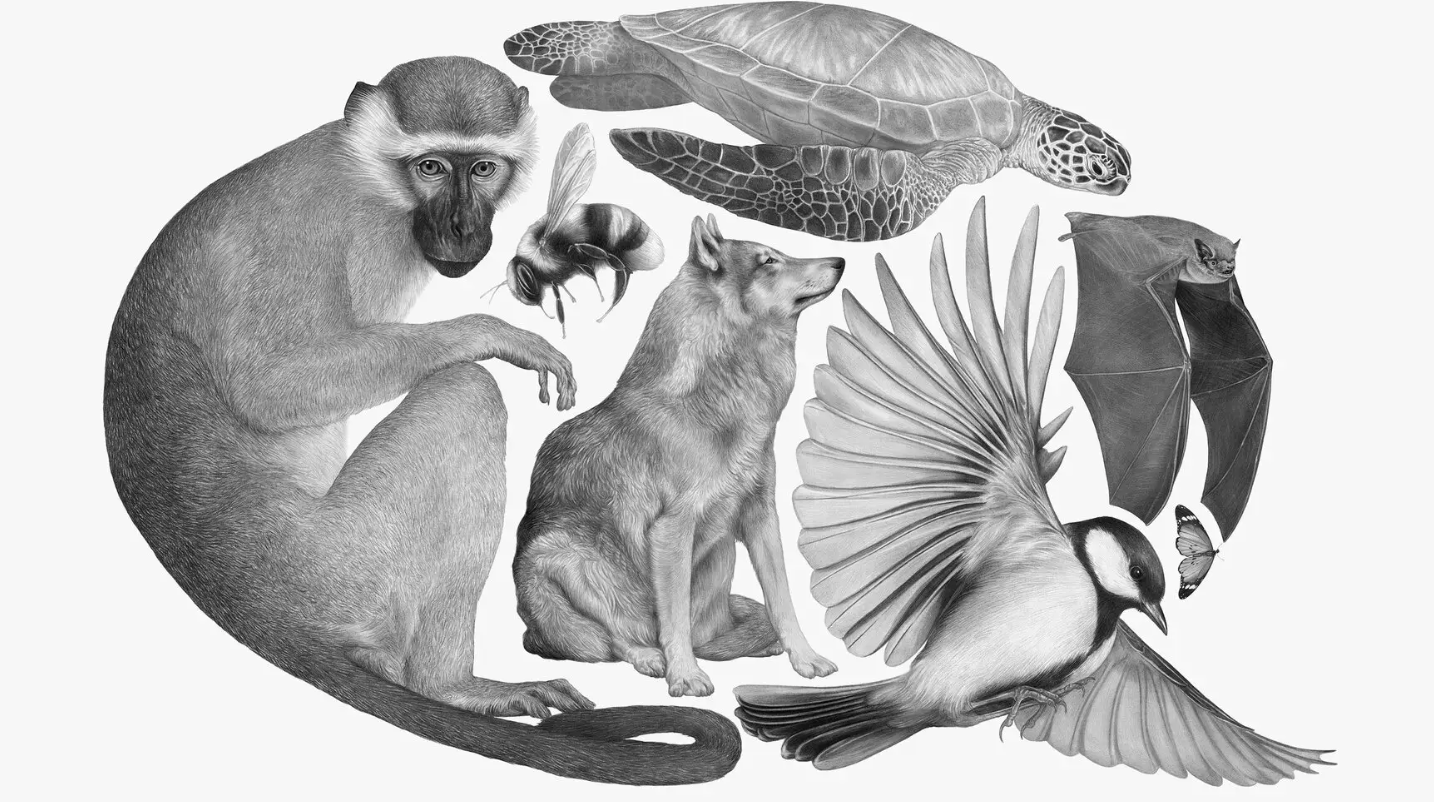
Language was long understood as a human-only affair. New research suggests that isn’t so.
Also published in Best American Nature and Science Writing.
- EMAIL SONIA